Why the Audit Team Structure Matters
When people think about audits, they often picture a single auditor walking through a facility with a clipboard. In practice, most audits of any real complexity involve a team. Understanding what an audit team is, who sits in it, and how the roles interact is foundational knowledge for anyone working in ISO auditing, whether you are just starting out or preparing to lead your first external audit.
On this page
The audit team is defined and described in ISO 19011:2018, the international guidelines for auditing management systems, and the recently released ISO 19011:2026 update reinforces these concepts while expanding guidance on auditor competence and programme management. Getting the team structure right from the beginning shapes everything that follows: the quality of evidence collected, the consistency of findings, and the credibility of the final report.
This article walks through the composition of an audit team, the specific responsibilities each role carries, how teams are selected, and what can go wrong when the structure is poorly managed.
What Is an Audit Team?
An audit team is one or more persons conducting an audit, supported where needed by technical experts. That is the plain definition. In practice, the team typically includes a lead auditor, one or more auditors, and sometimes technical experts or auditors in training. The exact composition depends on the scope, complexity, and duration of the audit.
For a small internal audit of a single process in a 20 person business, the audit team might be one person. For a third party certification audit of a large manufacturing site with multiple departments, the team might include four or five auditors dividing the scope between them. For a specialist audit involving, say, information security controls or food safety critical control points, a technical expert may sit alongside the audit team without formally conducting audit activities themselves.
The key point is that the audit team is not just a collection of people who show up on the day. It is a structured group with defined roles, clear responsibilities, and a lead auditor who is accountable for the outcome. As outlined in our guide on the audit lifecycle from initiation to follow up, team composition is one of the first decisions made when an audit is being planned.
 Exemplar Global Certified Training ProviderRTP No. 310970


The Lead Auditor
The lead auditor is the person in charge of the audit. This is not an honorary title. It comes with real accountability. The lead auditor is responsible for planning the audit, leading the team, making final decisions on findings, and communicating results to the client and the auditee.
Key Responsibilities of the Lead Auditor
- Developing and communicating the audit plan
- Assigning audit activities to team members based on competence
- Conducting the opening and closing meetings
- Resolving disagreements within the team about findings
- Deciding whether the audit objectives have been achieved
- Preparing or overseeing preparation of the audit report
- Representing the audit team in communications with the client
On a large third party audit, the lead auditor may spend a significant portion of their time coordinating the team rather than collecting evidence themselves. On a smaller audit, they will be doing both. Either way, the lead auditor sets the tone. If they are disorganised, the team will be disorganised. If they are clear about scope and objectives from the start, the team will work with purpose.
One thing that catches new lead auditors off guard is the responsibility for making a final call when team members disagree. Two auditors might assess the same evidence differently. One sees a minor nonconformity. The other sees an observation. The lead auditor needs to review the evidence, apply the criteria consistently, and make the call. That requires both technical knowledge and the confidence to hold a position under pressure.
The Auditor
An auditor is a member of the audit team who conducts audit activities under the direction of the lead auditor. On a well functioning team, auditors are assigned specific processes, departments, or clauses to examine. They gather evidence, conduct interviews, review documents, and record their findings.
What Auditors Are Responsible For
- Conducting assigned audit activities within the agreed scope
- Collecting and verifying objective evidence
- Documenting audit findings against the audit criteria
- Communicating clearly with the lead auditor during the audit
- Maintaining confidentiality and professional conduct throughout
Auditors need to understand the standard being audited against, the processes they are examining, and the techniques for gathering reliable evidence. They do not need to know everything about the industry, but they do need to ask the right questions and follow the evidence where it leads.
A common mistake on audit teams is for individual auditors to work in isolation, collecting evidence in their assigned area without communicating what they are finding. This creates gaps. If one auditor discovers that a corrective action from a previous audit was never completed, that information is relevant to other parts of the audit. Good teams communicate during the day, not just at the closing meeting.
Technical Experts
A technical expert provides specific knowledge or expertise to the audit team. They are not auditors. They do not make audit decisions, raise findings, or sign off on the audit report. Their role is to provide technical input that helps the auditors do their job more effectively.
Technical experts are particularly valuable in specialist audits. An ISO 27001 audit of a cloud infrastructure provider might include a technical expert with hands on experience in network security. An ISO 13485 audit of a medical device manufacturer might include someone with regulatory knowledge of the Therapeutic Goods Administration requirements in Australia. An ISO 42001 audit of an AI system provider might include a data scientist who can help the auditor understand what the organisation's AI model actually does.
What Technical Experts Can and Cannot Do
Technical experts can explain technical concepts, help interpret evidence, advise on whether a process makes technical sense, and flag things that look unusual. What they cannot do is conduct interviews as auditors, raise nonconformities, or direct the audit. Those responsibilities sit with the auditors and the lead auditor.
In practice, the boundary can blur. A technical expert who is very experienced may start to take on an auditor role informally. Lead auditors need to manage this carefully. If a technical expert starts making audit decisions, it creates questions about their competence as an auditor and about the integrity of the process.
Auditors in Training
ISO 19011 also recognises the role of auditors in training, sometimes called trainee auditors or observer auditors. These are individuals who are developing their auditing competence by participating in real audits under the supervision of an experienced auditor.
Auditors in training can observe, take notes, and assist with tasks like document review. They should not conduct interviews independently or make audit decisions. The lead auditor is responsible for supervising them and ensuring their presence does not compromise the audit.
For anyone working towards auditor certification, accumulating hours as an auditor in training is a critical part of the pathway. Certification bodies like Exemplar Global require evidence of audit experience, and participating in real audits as an observer or trainee is how that experience is built. If you are at this stage, our article on selecting and developing your internal audit team has useful guidance on how organisations can structure this development.
The Observer
Observers are sometimes present during audits. They are not part of the audit team. An observer might be a client representative, a regulatory official, or someone from the auditee's organisation who has been permitted to attend. Their presence must be agreed upon by both the audit client and the auditee, and they must not interfere with the audit process.
In practice, observers can create complications. An observer from the client organisation who starts asking their own questions, or an auditee manager who sits in on every interview, can disrupt the flow of the audit. The lead auditor needs to manage observer behaviour clearly and professionally from the opening meeting.
How Audit Teams Are Selected
Selecting the right team for a given audit is one of the most important planning decisions the audit programme manager or lead auditor makes. ISO 19011 is clear that the team must have the collective competence to achieve the audit objectives. This means thinking about the combination of skills across the team, not just the individual qualifications of each member.
Factors to Consider When Selecting an Audit Team
- The standard or standards being audited against
- The sector or industry of the auditee
- The size and complexity of the audit
- The specific processes or areas within scope
- Language and cultural considerations, particularly for international audits
- Independence requirements, ensuring no conflicts of interest
Independence is non negotiable. No auditor should audit their own work. In internal audits, this means auditors cannot be assigned to areas where they have direct responsibility for the processes being examined. In third party audits, certification bodies have strict rules about auditor independence from the client organisation.
Auditor independence is explored in more depth in our article on auditor independence and staying impartial in practice, which is worth reading if you are building or managing an audit team.
How Audit Teams Work Together in Practice
Knowing the roles on paper is one thing. Making the team work effectively in the field is another. Here are some practical realities from conducting audits with multi person teams.
Briefing the Team Before the Audit
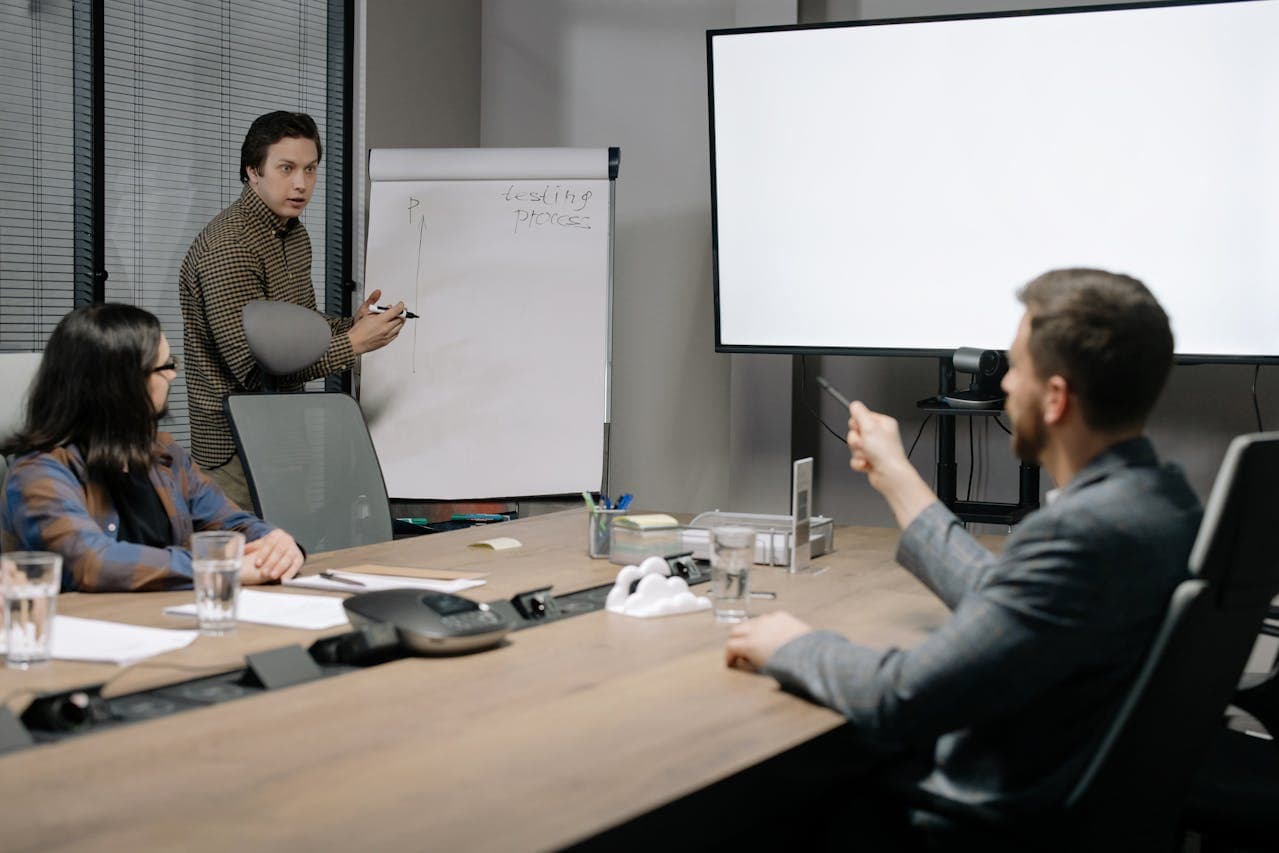
Before the audit begins, the lead auditor should brief the team on the plan, the scope, the objectives, the audit criteria, and any specific areas of risk or concern. Each team member should know exactly what they are responsible for, who they are interviewing, and what evidence they need to collect. This briefing does not need to be long, but it needs to be clear. Vague assignments produce vague findings.
Communication During the Audit
Good audit teams check in with each other during the day. If an auditor discovers something unexpected, they should flag it to the lead auditor as soon as possible. It might be relevant to another team member's area. It might change the priority of what gets examined in the afternoon. Waiting until the team debrief at the end of the day means opportunities are missed.
A simple practice is for the lead auditor to schedule short check ins during natural breaks in the audit day. Five minutes at morning tea and at lunch is often enough to share key findings and adjust the plan if needed.
Resolving Disagreements
Disagreements within audit teams are more common than people admit. Two auditors reviewing the same evidence can reach different conclusions. When this happens, the lead auditor needs to step in, review the evidence themselves, apply the criteria, and make a decision. The decision should be documented and the reasoning should be clear. If a team member strongly disagrees with the lead auditor's conclusion, that disagreement should be noted but the lead auditor's decision stands for the purposes of the report.
The Team Debrief
Before the closing meeting, the team should meet to consolidate findings, agree on classifications, and review the draft report. This is where the audit conclusions are formed. The lead auditor needs to ensure that findings are consistent across the team, that they are supported by evidence, and that the overall conclusion reflects the evidence fairly. Rushing this step produces reports that do not hold up to scrutiny.
Exemplar Global Certified Training ProviderRTP No. 310970Common Problems with Audit Teams
Having worked across hundreds of audits, a few recurring problems stand out when audit teams are not functioning well.
- Uneven workload distribution. When the lead auditor assigns tasks without thinking carefully about the scope of each area, some auditors end up with far more to cover than others. This produces rushed findings in the overloaded areas and superficial coverage overall.
- Poor communication between team members. Auditors who work in isolation and only share findings at the closing meeting miss connections between areas. A nonconformity in one process often has roots in another.
- Technical experts overstepping their role. When a technical expert starts making audit decisions, it compromises the integrity of the process and can create problems if findings are challenged.
- Lead auditor not leading. Some lead auditors are technically excellent but reluctant to make calls, manage team dynamics, or challenge auditees professionally. The lead auditor role requires more than audit knowledge. It requires the ability to manage people and situations under pressure.
Building Your Skills as an Audit Team Member
Whether you are an auditor looking to step into a lead auditor role, or a quality manager building an internal audit function, understanding how audit teams work is practical knowledge you will use every time you pick up a clipboard or open a video call for a remote audit.
The transition from auditor to lead auditor is one of the most significant steps in an auditing career. It requires not just technical competence in the standard but the ability to plan, manage a team, resolve disputes, and communicate findings clearly to senior management. Our article on the progression from internal auditor to lead auditor covers this transition in detail.
At Audit Workshop, our Lead Auditor courses are built around the practical realities of running and participating in audit teams. You will learn how to plan and assign audit activities, manage team dynamics, consolidate findings, and lead opening and closing meetings with confidence. Courses are available for ISO 9001, ISO 14001, ISO 45001, ISO 27001, ISO 42001, ISO 37001, and ISO 13485, in both live online and self paced formats. If you are ready to build the skills to lead an audit team effectively, explore the training options at auditworkshop.com.