Why the Opening Meeting Matters More Than Most Auditors Think
The audit opening meeting is the formal start of every on-site or remote ISO audit. It is the moment where the auditor introduces themselves, confirms the scope and objectives, explains how the day will run, and gives the auditee team a chance to raise any practical issues before evidence gathering begins.
On this page
Most people treat it as a formality. Sign the attendance sheet, run through the agenda, move on. That is a mistake. In practice, the opening meeting is one of the most strategically important parts of the entire audit. How you run it shapes the tone, the cooperation you receive, and the quality of evidence you collect for the rest of the day.
This guide explains what an audit opening meeting is, what it must cover, what ISO 19011 says about it, and how experienced auditors use it to set themselves up for a productive audit rather than a combative one.
What ISO 19011 Says About the Opening Meeting
ISO 19011 is the international guideline for auditing management systems. It covers everything from audit programme management through to auditor competence. Clause 6.4.2 of ISO 19011 specifically addresses the conduct of the opening meeting and sets out what it should include.
The standard describes the opening meeting as a formal activity that should be held with the auditee's management and, where appropriate, those responsible for the functions or processes being audited. It is not optional. Even for short internal audits, some form of opening discussion is expected.
According to ISO 19011, the opening meeting should cover the following at a minimum:
- Confirmation of the audit scope and objectives
- Confirmation of the audit plan, including any changes agreed since it was issued
- Introduction of the audit team and their roles
- Introduction of guides and observers, if any are present
- Explanation of how audit findings will be communicated
- Confirmation of the language to be used during the audit
- Confirmation of relevant confidentiality requirements
- Explanation of the methods to be used during evidence gathering
- Confirmation of the closing meeting time and format
- Opportunity for the auditee to ask questions
For detailed practical guidance on running the meeting itself, see our post on running an effective opening meeting with guidance from ISO 19011.
 Exemplar Global Certified Training ProviderRTP No. 310970


Who Attends an Opening Meeting
The attendees vary depending on the type and scale of the audit, but the general principle is that the people who need to understand what is happening should be in the room.
From the Audit Team Side
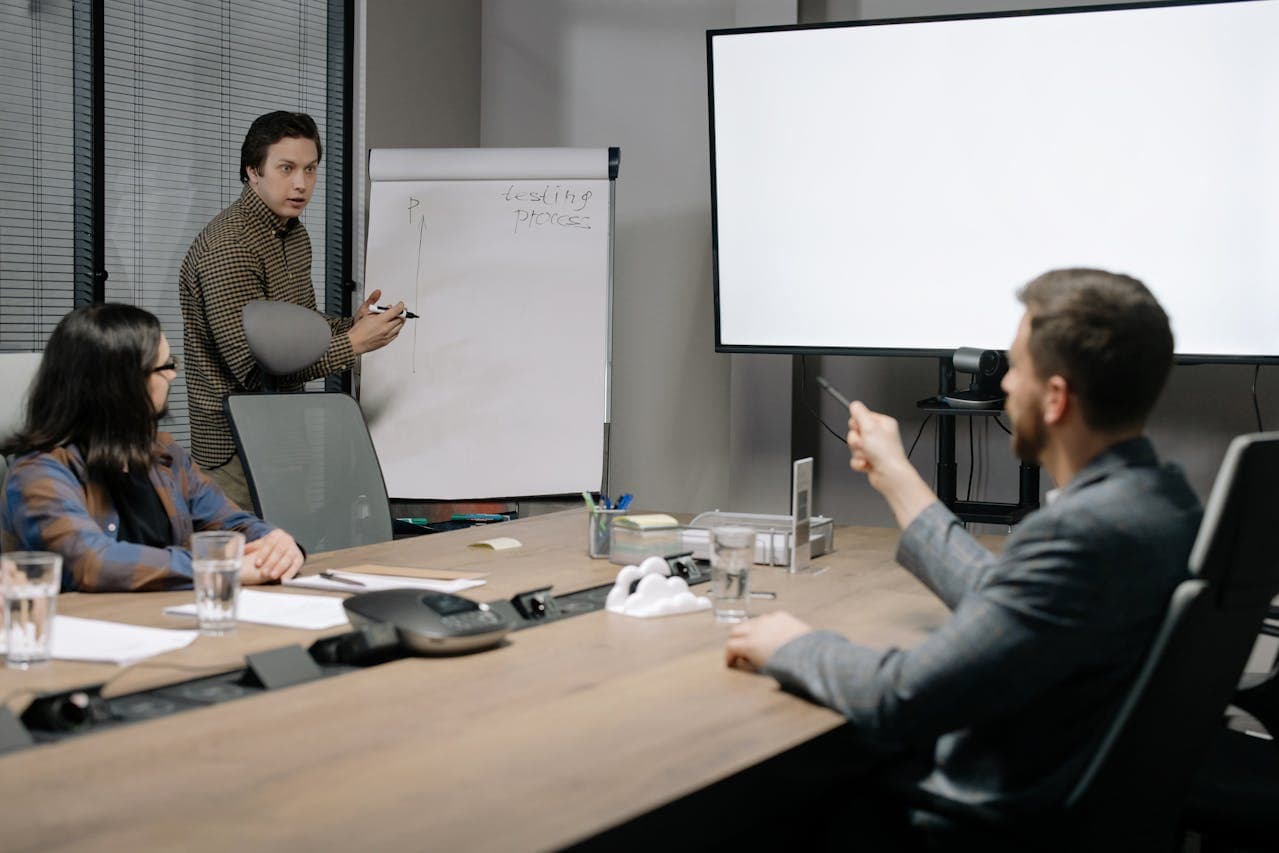
The lead auditor chairs the opening meeting. If there are additional team auditors, they should be introduced and their areas of responsibility explained. Any technical experts or observers accompanying the team should also be introduced and their roles clarified. Auditees have a right to know who is in their facility and why.
From the Auditee Side
At a minimum, a senior representative of the organisation should attend. For certification audits, this is typically the management representative or quality manager, and often a member of top management. For internal audits, it might be the department manager and the quality or HSE coordinator.
The people who will actually be audited during the day do not all need to sit through the opening meeting, but they should be briefed on timing and what to expect. Part of the opening meeting is confirming that those people are available at the right times.
The Purpose of the Opening Meeting: Four Things It Actually Achieves
Beyond ticking a procedural box, a well-run opening meeting does four things that directly affect audit quality.
1. It Establishes Clarity About Scope and Objectives
Scope disputes mid-audit are genuinely disruptive. If the auditee believes the audit only covers the manufacturing floor and the auditor wants to look at purchasing records, you have a problem. The opening meeting is the moment to surface and resolve those misunderstandings before evidence gathering starts.
Read the scope statement aloud. Confirm it is understood. If there are any changes from what was communicated in the audit plan, explain them now. Do not leave scope ambiguity to fester.
2. It Reduces Anxiety and Builds Cooperation
Most auditees are nervous before an audit. Even experienced quality managers feel some tension when an external auditor arrives. That anxiety, if unaddressed, leads to defensive behaviour, guarded answers, and reluctance to show you things you need to see.
A calm, professional opening meeting signals that the audit is a fair and structured process, not an interrogation. When auditees understand what will happen, when it will happen, and what the auditor is actually looking for, they relax. Relaxed auditees give better evidence.
This connects directly to the auditing principle of fair presentation. The opening meeting is your first opportunity to demonstrate that you intend to report findings accurately and without bias.
3. It Confirms Logistics
Audits go sideways when practical logistics are not confirmed upfront. Who is your guide for the day? Where will you conduct interviews? Is the production manager available at 10am as planned, or have they been pulled into an emergency? Is there a safety induction required before you go to the floor?
The opening meeting is where you sort this out. Confirm the schedule, identify any changes to availability, and agree on where you will set up your working space. Small logistical details, handled early, prevent significant time loss later in the day.
4. It Creates a Record of Consent and Acknowledgement
The attendance sheet signed at the opening meeting is a documented record that the audit commenced, the scope was confirmed, and the relevant parties were present. For certification audits, this is part of the audit record. For internal audits, it demonstrates the programme is being executed as planned.
It also protects the auditor. If a finding is later disputed on the grounds that the auditee was not told about the scope, the signed attendance record and meeting notes say otherwise.
What a Typical Opening Meeting Agenda Looks Like
There is no single mandated format, but most experienced auditors follow a consistent structure. Here is a practical agenda that works for both internal and external audits.
- Welcome and introductions from the lead auditor. Introduce all team members and their roles. Ask the auditee to introduce their attendees.
- Purpose of the audit. State clearly why the audit is being conducted. Is it a scheduled internal audit? A stage 2 certification audit? A surveillance visit? Auditees should not have to guess.
- Audit scope and objectives. Read or summarise the scope. Confirm the standard or requirements being audited against. State the objectives clearly.
- Audit plan walkthrough. Go through the plan for the day. Confirm timing, who will be interviewed, and which areas will be visited. Note any changes from the plan that was issued in advance.
- Methods to be used. Explain that you will be conducting interviews, reviewing documents and records, and making observations. This prevents auditees from being surprised when you ask to look at a register or walk the floor.
- Confidentiality statement. Confirm that information gathered during the audit will be kept confidential and used only for audit purposes. This matters particularly in certification audits conducted by third party bodies.
- Reporting and grading of findings. Explain how findings will be classified. If you use the terms major nonconformity, minor nonconformity, and observation, explain what each means. Auditees who understand grading are less likely to panic when a finding is raised.
- Closing meeting time and format. Confirm when and where the closing meeting will be held and what it will cover. This gives the day a clear endpoint.
- Questions from the auditee. Always leave time for this. Unanswered questions become distractions during the audit.
- Sign the attendance record. Circulate the sheet and confirm it is completed before the meeting closes.
For a deeper look at the scripts and language that work well in these meetings, the post on opening and closing meeting scripts for auditors covers the exact phrasing that keeps things professional and clear.
Common Mistakes Auditors Make in Opening Meetings
Even experienced auditors fall into habits that undermine the opening meeting. Here are the ones worth watching.
Rushing Through It
Treating the opening meeting as an obstacle between you and the real audit is a common mistake. A meeting that takes 20 minutes and is done properly saves you far more time than one done in 5 minutes that leaves confusion in its wake. Take the time to do it properly.
Using Jargon Without Explanation
Phrases like nonconformity, clause 6.1, and objective evidence mean something to auditors. They may mean nothing to the production supervisor sitting across the table. Speak plainly. If you use technical terms, explain them briefly. This is not about dumbing things down. It is about being understood.
Not Confirming Availability of Key People
You planned to interview the maintenance manager at 2pm. Nobody told the maintenance manager. They are off-site. Confirming availability in the opening meeting prevents this. Ask explicitly whether everyone on your plan is available and at what times.
Skipping the Confidentiality Statement
Some auditors skip this because it feels formal. Do not skip it. Auditees, particularly in competitive industries, are sometimes reluctant to show documents because they are not sure where the information will go. Stating clearly that findings are confidential and used only for audit purposes removes that concern.
Not Inviting Questions
Closing an opening meeting without asking whether anyone has questions is a missed opportunity. Questions from auditees often reveal misunderstandings about scope, concerns about specific processes, or useful context that helps you audit more effectively.
Opening Meetings for Internal Audits vs External Audits
The structure is the same, but the tone and formality differ.
Internal Audits
For internal audits, the opening meeting is often shorter and less formal. You may already know the people in the room. The scope may have been discussed in advance. That said, you still need to confirm the scope, explain the plan, and document attendance. Skipping the opening meeting entirely for internal audits is a common shortcut that creates problems. If a finding is later disputed, the absence of an opening meeting record weakens your position.
For those building or improving an internal audit programme, the post on how to do an internal audit from start to finish covers the full process including the opening meeting in context.
External Audits
For certification and surveillance audits, the opening meeting is more formal. The lead auditor from the certification body will typically present credentials, confirm the scope against the certification agreement, and formally state the audit objectives. Attendance records are kept as part of the certification body's audit file. The meeting may include more senior management and can last 30 to 45 minutes for larger organisations.
For a first-time certification audit, the opening meeting can feel intimidating. Understanding what to expect is covered in the post on what to expect during an ISO certification audit.
Remote Opening Meetings
Remote auditing is now standard practice in many contexts, and the opening meeting format adapts accordingly. The same agenda applies, but delivery happens via video conference.
A few practical considerations for remote opening meetings:
- Send the agenda and attendance record in advance so participants can prepare
- Confirm that all attendees can access the video platform before the meeting starts
- Introduce everyone on screen and confirm who is attending from the auditee side
- State clearly how document requests will be handled during the audit (shared screen, file transfer, secure portal)
- Confirm the closing meeting time in the auditee's local time zone if there is a difference
Remote opening meetings tend to run slightly longer than face to face ones because there is more to confirm about logistics and document sharing. Build that into your planning.
Exemplar Global Certified Training ProviderRTP No. 310970What the Audit Lifecycle Looks Like Around the Opening Meeting
The opening meeting does not exist in isolation. It sits within a structured audit process that begins with planning and ends with follow-up on findings. Understanding where the opening meeting fits helps you prepare for it properly.
Before the opening meeting, the auditor should have reviewed the audit plan, prepared checklists, and reviewed any prior audit reports or relevant documentation. The opening meeting marks the formal commencement of on-site activity. After it, evidence gathering begins. At the end of the day, the closing meeting presents findings. Then comes the audit report and corrective action follow-up.
For a full view of this process, the post on the audit lifecycle from initiation to follow-up is worth reading alongside this one.
Training That Covers Opening Meetings in Practice
Understanding the theory of opening meetings is useful. Practising them under guided conditions is what actually builds confidence. At Audit Workshop, our Internal Auditor and Lead Auditor courses include practical exercises where participants conduct and receive feedback on opening meetings as part of the simulated audit activities.
Whether you are preparing to run your first internal audit or working toward lead auditor certification, knowing how to open an audit professionally is a skill that gets assessed, and one that distinguishes competent auditors from those who are just going through the motions. Explore our training options at auditworkshop.com.