Why the Opening Meeting Matters More Than Most Auditors Realise
The opening meeting is the first thing that happens on audit day, and it shapes everything that follows. How you run it determines whether the auditee team walks into the audit feeling cooperative or defensive, whether the scope is properly understood, and whether you have the authority and credibility to do your job properly.
On this page
Many auditors treat the opening meeting as a formality. They rush through it, read from a script, and move on as quickly as possible. That is a mistake. A well run opening meeting takes fifteen to thirty minutes and does several important things at once: it establishes the audit framework, sets behavioural expectations, builds enough rapport that people will actually talk to you, and gives you a chance to confirm the audit plan before you commit to it.
This article walks through how to run an opening meeting that actually works, whether you are conducting an internal audit, a supplier audit, or a certification audit. The principles apply across all three types.
Who Should Attend the Opening Meeting
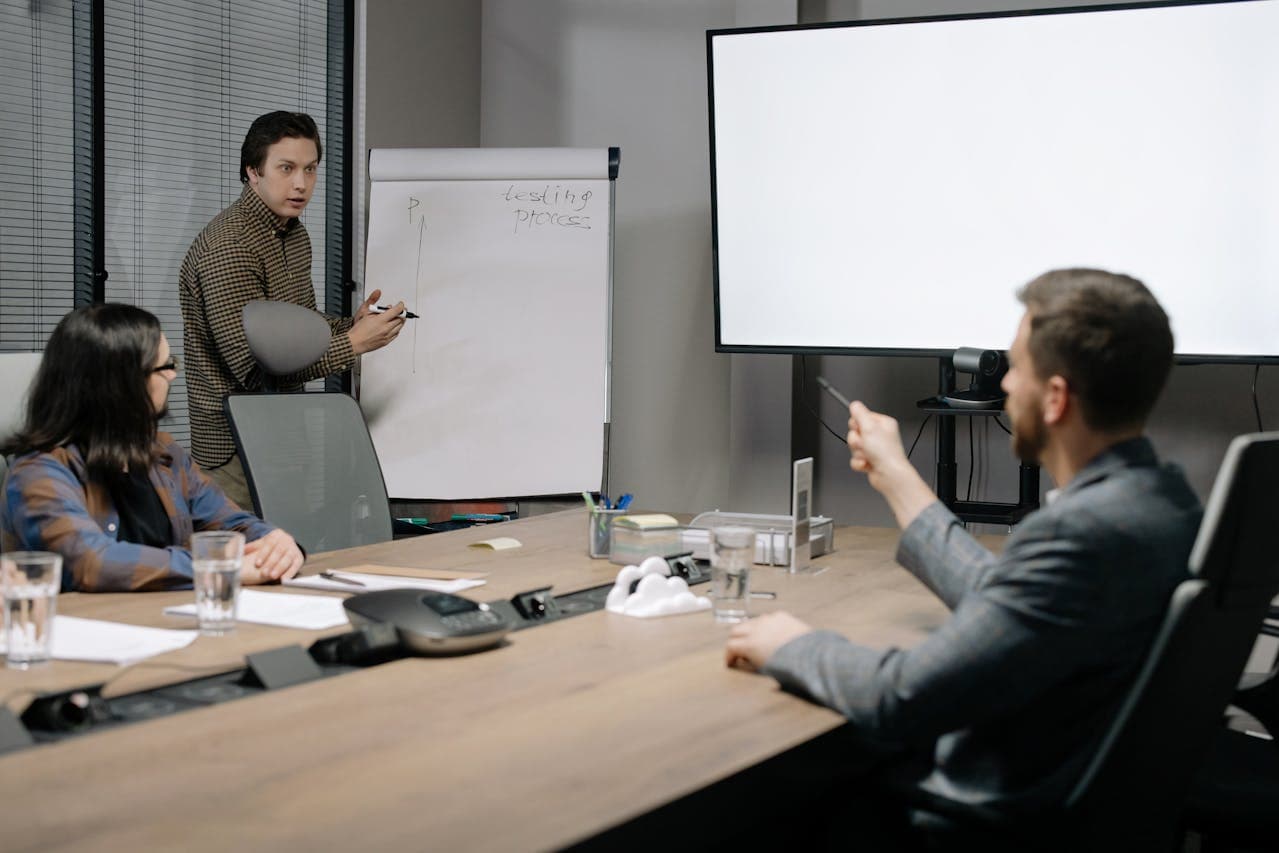
Before you think about what to say, think about who should be in the room. The opening meeting is not just for the quality manager. It should include:
- Top management or a senior representative with authority to make decisions
- The process owners or department heads whose areas will be audited
- Any guides or escorts assigned to the audit team
- Your full audit team, if you are leading a team audit
Getting the right people into the room matters for a practical reason. If you raise a scope issue or need to adjust the audit plan, you want someone present who can actually authorise a change. If only the quality manager attends and an issue comes up that requires a management decision, you will lose time chasing people down later.
For internal audits in smaller organisations, the opening meeting might involve just two or three people. That is fine. The size of the meeting is less important than the seniority and relevance of who attends.
 Exemplar Global Certified Training ProviderRTP No. 310970


What to Cover in the Opening Meeting
There is a standard set of items that every opening meeting should address. ISO 19011 provides guidance on this, and running an effective opening meeting is one of the areas where experienced auditors genuinely stand apart from inexperienced ones. Work through each item deliberately, not at speed.
Introduce the Audit Team
Start by introducing yourself and anyone else on the audit team. Include your role, your relevant background, and your certification status if it is a third party audit. Keep it brief but credible. Auditees want to know they are dealing with someone competent. If you have a technical expert or observer present, introduce them and clarify their role so there are no surprises when they start asking questions.
Confirm the Audit Objectives
State clearly what this audit is trying to achieve. For an internal audit, the objective might be to verify conformity with ISO 9001 requirements and the organisation's own procedures in the production and warehousing processes. For a certification audit, the objective is to determine whether the management system meets the requirements of the standard and is effectively implemented.
Do not assume everyone in the room already knows why the audit is happening. Even in an internal audit, the people being audited may not have been involved in the planning. Stating the objective clearly removes ambiguity and helps people understand what you are and are not looking for.
Confirm the Scope and Criteria
The scope tells the auditee what is included and what is excluded. The criteria are the requirements you will be auditing against, whether that is an ISO standard, a set of internal procedures, or both.
This is also the moment to raise any changes you noticed during your document review before arriving. If the audit plan says you will be looking at the design process but you have learned that design is now outsourced, flag that now. Adjusting scope at the opening meeting is far less disruptive than discovering a mismatch mid audit.
Explain the Audit Method
Tell the auditee team how you will be conducting the audit. Will you be interviewing staff, reviewing records, and walking the floor? Will you be following a process from start to finish or auditing by clause? Do you need access to the production area, the server room, or the site office?
People are less anxious when they know what to expect. Explaining the method also reduces the chance of an auditee being surprised when you ask to speak with a shop floor worker or request access to a restricted area.
Confirm the Audit Schedule
Go through the audit plan and confirm timing. Check that the people you need to interview are available at the times planned. If a key person is unavailable because of a shift change or a meeting that was scheduled after the audit plan was sent, sort this out now. Rearranging interviews mid audit wastes time and creates pressure.
If you are running a multi day audit, confirm the plan for each day and when the closing meeting will be held. Give the auditee team a realistic expectation of when they will receive findings.
Address Confidentiality
Explain how audit information will be handled. For external audits, this is particularly important. Auditees need to know that the information they share stays within the audit team and the client, and that it will not be disclosed to third parties without authorisation. For internal audits, clarify who will receive the audit report.
This is not just a formality. Some auditees hold back information because they are not sure where it will end up. Addressing confidentiality directly can open up the conversation.
Explain How Findings Will Be Communicated
Tell the auditee how audit findings will be classified and communicated. If you are using the categories of nonconformity, observation, and opportunity for improvement, explain briefly what each one means. Auditees who understand the difference between a minor nonconformity and a major one are better prepared for the closing meeting and less likely to react defensively to findings.
You should also explain that findings will be discussed with the relevant process owner before the closing meeting, so there are no surprises. This is standard good practice and it significantly reduces conflict at the end of the audit. For more detail on how findings should be classified, the article on audit findings, observations, and nonconformities is worth reading.
Explain the Complaint and Appeal Process
For formal audits, particularly certification audits, you are required to explain the process for raising concerns or appealing findings. Even for internal audits, it is worth mentioning that if someone disagrees with a finding, they have the right to discuss it with you before the report is finalised. This signals that the process is fair and that you are open to evidence that might change your assessment.
Confirm Safety and Logistics
If the audit involves a site visit, cover the safety requirements. This includes any personal protective equipment required, emergency procedures, restricted areas, and who to contact if there is an incident. Also confirm practical matters like where the audit team can work, where documents will be reviewed, and whether there is a dedicated meeting room available.
Setting the Right Tone: What This Actually Means in Practice
Setting the tone is not about being warm and friendly. It is about being professional, clear, and fair. The opening meeting is where you signal to the auditee that this audit will be conducted with integrity, that you are there to gather evidence and make objective assessments, and that you are not there to catch people out.
A few specific things make a real difference here.
Be Specific About What You Are Not There to Do
Many auditees, particularly those who have had difficult audit experiences in the past, assume that auditors are looking for problems to report. It helps to be direct about this. You are there to assess conformity and effectiveness, not to find fault for its own sake. When evidence shows that something is working well, you will say so. When evidence shows a gap, you will raise it, because that is what the audit is for.
This kind of statement, delivered calmly and without being defensive about it, does more to reduce auditee anxiety than any amount of small talk.
Invite Questions Early
At the end of the opening meeting, explicitly invite questions. Not just a quick “any questions?” before moving on, but a genuine pause that gives people time to raise concerns. Common questions include how long the audit will take, whether staff need to stop their normal work to be interviewed, and what happens after the audit report is issued.
Answering these questions at the start removes distractions. An auditee who is worried about something is not fully present during the interview that follows.
Avoid Starting with Criticism
Even if you noticed something concerning during your document review, the opening meeting is not the place to raise it. Start with the framework, not with findings. Raising concerns before the audit has even begun puts the auditee team on the defensive and makes the rest of the day harder than it needs to be.
Common Mistakes Auditors Make in Opening Meetings
After conducting hundreds of audits, certain patterns emerge. These are the mistakes that undermine the opening meeting and create problems for the rest of the audit day.
Rushing Through the Agenda
The opening meeting is not something to get out of the way. Auditors who rush it often find that they spend time later in the day resolving confusion that the opening meeting should have addressed. Take the time to cover each agenda item properly.
Reading Directly from a Script
Using an agenda or a checklist as a guide is sensible. Reading word for word from a prepared script is not. It signals that you are not confident, and it makes the meeting feel mechanical. Know your material well enough to speak to it naturally.
Failing to Confirm Availability of Auditees
One of the most common causes of audit delays is discovering mid morning that the person you planned to interview at 10am is not available. Confirm availability at the opening meeting, not by email the day before where the response may have been missed.
Not Explaining the Finding Classification System
If auditees do not understand the difference between a minor nonconformity and a major one, they may react to any finding as if it is catastrophic. A brief explanation at the start calibrates their expectations and makes the closing meeting far more productive.
Skipping the Safety Briefing on Site Audits
This is a risk management issue, not just a courtesy. If you are auditing a manufacturing plant, a construction site, or any other operational environment, you need to know the emergency procedures and PPE requirements before you walk onto the floor. Do not skip this because you are in a hurry.
Structuring the Opening Meeting: A Practical Agenda
The following structure works well for most audits. Adjust the time allocations based on the complexity of the audit and the size of the auditee team.
- Introductions (2 to 3 minutes): Audit team and auditee representatives introduce themselves.
- Audit objectives (2 minutes): State what the audit is designed to achieve.
- Scope and criteria (3 to 5 minutes): Confirm what is included, what is excluded, and what you are auditing against. Raise any scope adjustments identified during preparation.
- Audit method (2 to 3 minutes): Explain how you will gather evidence, including interviews, document review, and observation.
- Audit schedule (3 to 5 minutes): Confirm timing, confirm availability of key personnel, and confirm when the closing meeting will be held.
- Confidentiality (1 to 2 minutes): Explain how audit information will be handled and who will receive the report.
- Finding classification (2 to 3 minutes): Briefly explain how findings will be categorised and communicated.
- Complaints and appeals (1 minute): Explain the process for raising concerns about the audit.
- Safety and logistics (2 to 3 minutes): Cover site safety requirements, PPE, restricted areas, and practical arrangements.
- Questions (5 minutes): Invite and answer questions from the auditee team.
That is a total of around twenty to thirty minutes for a well structured opening meeting. For a simple internal audit of a single process, you might compress this to fifteen minutes. For a complex multi site certification audit, it might run longer. The key is that every item gets addressed, not skipped.
If you are looking for a ready to use template, the audit opening meeting agenda template provides a practical starting point you can adapt to your own audit context.
Adapting the Opening Meeting for Different Audit Types
Internal Audits
Internal audit opening meetings tend to be less formal but should still cover all the key points. The auditee team is usually more familiar with the audit process, so you can move through some items more quickly. The focus is on confirming the scope, the schedule, and the finding process. Even in an internal audit, do not skip the explanation of how findings will be classified. It matters just as much here as it does in a certification audit.
Supplier Audits
Supplier audits often involve more tension because the relationship is commercial and the power dynamic is explicit. The opening meeting is particularly important here for establishing a professional, objective tone. Be clear that the audit is about verifying the supplier's capability and conformity, not about finding reasons to terminate the contract. Confirm confidentiality arrangements carefully, because suppliers are often concerned about proprietary information being shared.
Certification Audits
For certification audits, the opening meeting is a formal requirement and the agenda is typically more structured. The certification body auditor will usually have a standard format. If you are the quality manager hosting a certification audit rather than leading one, understanding what the auditor is required to cover helps you prepare your team. For a detailed look at what to expect, the article on what to expect during an ISO certification audit covers the full process from arrival to closing meeting.
Exemplar Global Certified Training ProviderRTP No. 310970After the Opening Meeting: Staying on Track
A well run opening meeting sets up the rest of the audit day for success, but only if you follow through on what you committed to. If you said findings would be discussed with process owners before the closing meeting, do that. If you said the closing meeting would be at 3pm, be there at 3pm. Consistency between what you say in the opening meeting and what you actually do builds credibility and trust throughout the audit.
If something changes during the audit day, such as a scope issue emerging or a key person becoming unavailable, communicate with the auditee's representative promptly. Do not wait until the closing meeting to raise a logistical problem that could have been resolved hours earlier.
Building Your Opening Meeting Skills
Running a confident, effective opening meeting is a skill that develops with practice. New auditors often feel uncertain about their authority in the room, particularly when auditing senior managers or experienced quality professionals. The best way to build confidence is to prepare thoroughly, know your agenda, and understand the audit objectives well enough to explain them without notes.
If you are working toward your auditor certification or want to sharpen your practical audit skills, the training courses at Audit Workshop cover opening meetings, interview techniques, finding classification, and closing meetings as part of the practical auditing skills curriculum. Courses are available at Internal Auditor and Lead Auditor levels across ISO 9001, ISO 14001, and ISO 45001, with both live and self paced options.